As a holding company focused on creating value for our stakeholders and the communities where our companies operate, Edizione places particular importance on environmental sustainability. Our approach is pragmatic: sustainability creates economic and social value, setting up a virtuous cycle of positive reinforcement. Which is why we are firmly committed to ensuring our portfolio companies’ activities are increasingly sustainable. To reduce their impact as much as possible, we encourage them to adopt low-carbon technologies – such as solar power – as well as to decarbonize. With the recent launch of Neya, we are taking this approach further.
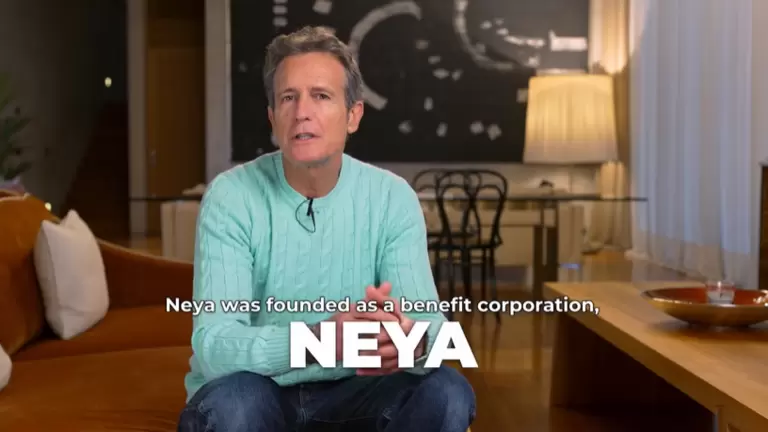
Born at the end of 2025, Neya – 100% controlled by our infrastructure asset Mundys – is a benefit company dedicated to developing innovative projects for carbon removal and climate change mitigation. Through nature-based solutions and advanced technologies, Neya works to reduce Mundys’ global ecological footprint, improve the quality of life of local communities, and preserve biodiversity. The launch of Neya is part of Mundys’ climate strategy which – since 2022 – has seen the company integrate sustainability throughout the entire value chain and promote an increasingly sustainable transport model in the airport, highway, and mobility services sectors. In this context, Neya’s objective is to contribute to achieving the climate neutrality goals set forth in Mundys’ Climate Action Plan, through interventions dedicated to managing residual emissions – that is, those that cannot be completely eliminated through direct emission reduction actions. As the effects of climate change become increasingly evident, carbon removal is becoming ever more important and needs to go hand in hand with emissions reduction to help mitigate its overall impact.
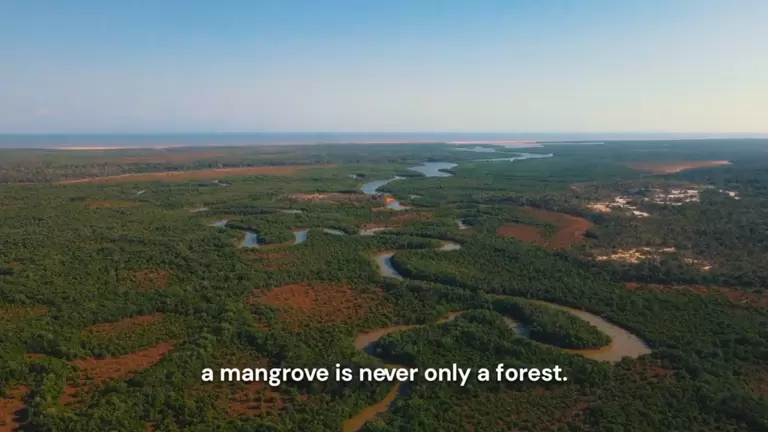
Within Edizione Neya is a strategic asset, increasing – through its projects – the social and environmental value generated by Edizione and its portfolio companies. On the one hand, it contributes directly to decarbonizing the transport infrastructure operated by our portfolio company Mundys around the globe; on the other, it benefits local communities by enhancing the environment, strengthening the resiliency of ecosystems, and creating new jobs and income-generating opportunities. How? By working with our greatest ally – Nature. Indeed, Neya projects mostly focus on restoring degraded ecosystems and improving soil health, activities – including restoration of coastal ecosystems and reforestation – that increase the land’s capacity to sequester carbon. The diversified approach enables the combination of projects with different characteristics, some generating carbon removal credits over short spans of time, others producing credits to be used over longer periods. Each project is developed according to scientific methodologies and accompanied by independent international monitoring, reporting, and verification systems aimed at ensuring the transparency and reliability of the generated carbon credits and the actions associated with their generation.
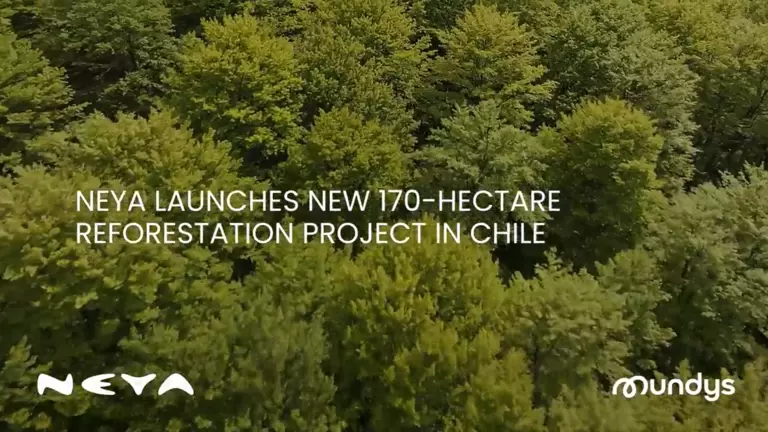
Following the successful implementation of the “Ma Honko” project, in May this year Neya launched the “Nothofagus: Bosques Nativos Chilenos” initiative. The project, being implemented with local partner Taking Root, calls for restoring 170 hectares in Chile’s Valdiviana Forest – equivalent to 240 football pitches – with the potential to scale up to 7,500 hectares. Nothofagus, also known as the southern beech, is native to the cooler regions of the Southern Hemisphere – especially Chile and Argentina – as well as to parts of Australia, New Zealand, New Guinea, and certain Pacific Islands.
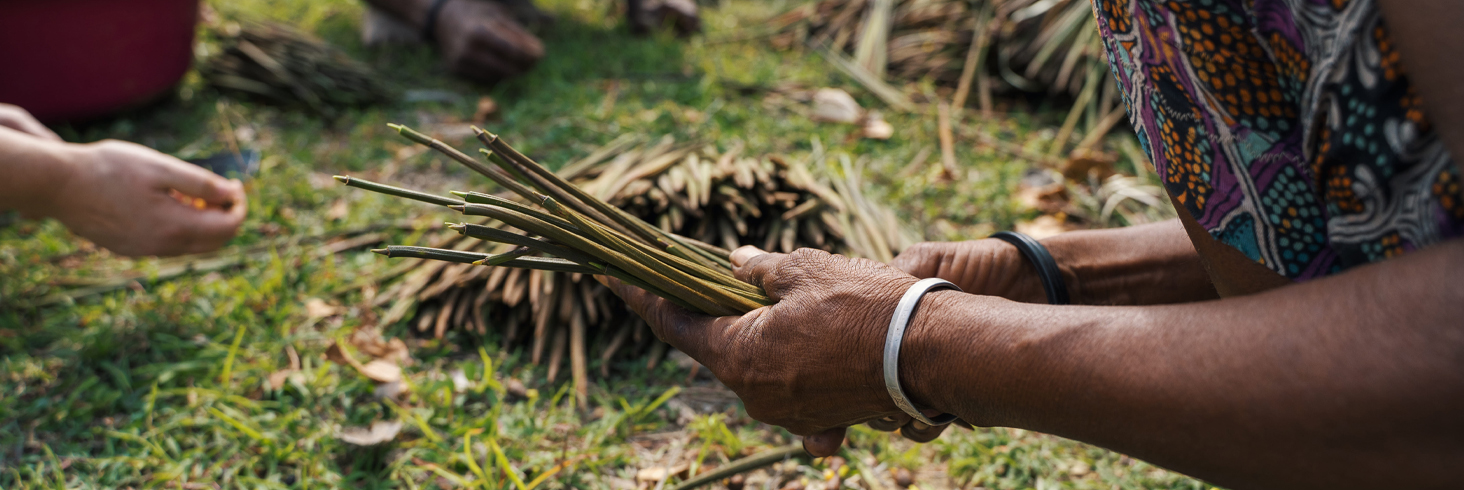
Nothofagus forests sequester significant amounts of carbon dioxide and provide essential habitats for various flora and fauna. The project aims to finance and support native reforestation in Chile by enabling small-scale farmers to establish plantations on their land. It fully funds all forestry investments – seedling procurement, site preparation, planting, fencing and technical advisory support, as well as carbon project development, certification, verification and credit commercialization – at zero cost to landowners.
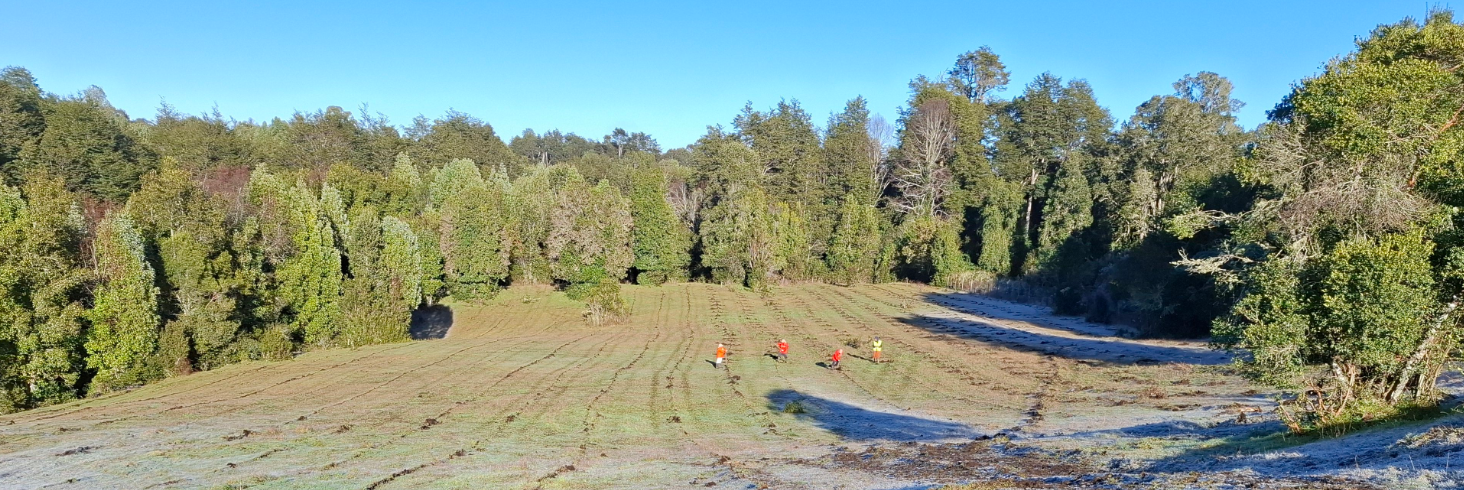
Throughout the project’s operational period, landowners retain full ownership of the forest and its products, including the long-term economic value of sustainably managed timber. Due to last 40 years, the project – which will be certified according to the international Verified Carbon Standard (VCS) – will remove approximately 80,000 tons of CO₂, equivalent to the annual emissions of a mid-sized city. Of the total, some 55,000 tons will be used directly by Mundys to offset a portion of the emissions from its infrastructure at global level.
Both projects align with Mundys’ Climate Action Plan – one of the first to be adopted in the transport infrastructure sector – which promotes the energy transition and the progressive decarbonization of activities across the entire value chain, involving a commitment to eliminating net direct (Scope 1 and 2) emissions by 2040.
Thanks to Neya and its projects, Edizione has a better understanding of how nature-based decarbonization solutions can create both economic and social value: on the one hand generating carbon credits to offset emissions from Mundys’ infrastructure projects; on the other, building resilient ecosystems and generating lasting economic opportunities for local territories. This understanding is itself becoming an increasingly strategic asset, as our Group companies continue to seek ways to develop their businesses in harmony with the environment, reducing their carbon footprints.